Posts Tagged ‘Homeschooling’

Jacob’s Lentil Stew

Friday, July 27th, 2012

jacobs-lentil-stew

Recently I decided to make some Bible-time foods, having found the book Foods from the Bible at a used curriculum sale for fifty cents. My son begged me to get it, so I let him make these recipes. The first recipe was for Jacob’s lentil stew that he might have made for Esau in exchange for the birthright. After reading the story to the children, we mixed the following ingredients together:

  • 2/3 cup red lentils
  • 1 medium yellow onion, diced
  • 1 tablespoon flour
  • ¼ cup rice
  • 2 tablespoons olive oil
  • 2 teaspoons salt
  • ¼ teaspoon black pepper
  • ¼ cup diced bell pepper
  • 5 cups water

Add these together in a big pot, bring to a boil, then simmer for 1 hour. Pour it into a blender, making sure the lid is on tight, or everyone will scream at being scalded by the burning stew, which looks like barf by that time. I told the children to look away so that they wouldn’t lose their appetite. But it was too late.

Oh, I forgot to mention to add these ingredients to the blender at the last minute:

  • 2 tablespoons lemon juice
  • 2 tablespoons fresh parsley, chopped
  • pinch of red pepper

You need more than a pinch of red pepper for this tasteless stew to have any flavor whatsoever. It tastes kind of like pea soup. Plus, it’s not red, even though the lentils were red. So the real stew must have contained tomatoes. Or something red. Maybe something with flavor. No way did Esau trade his birthright for this dish.
bible-salad

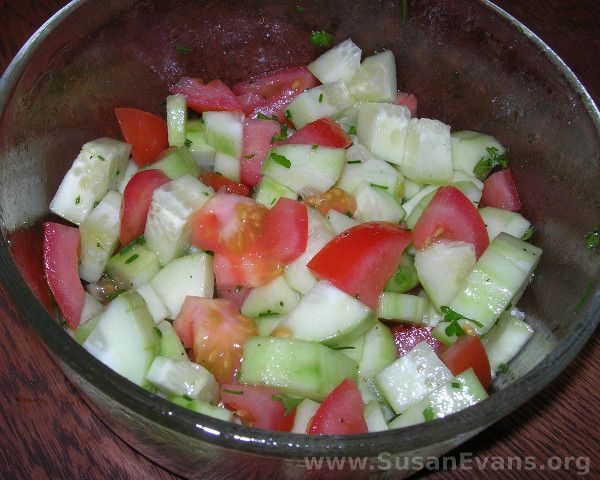
As a side dish, we made a Bible-time cucumber salad:

  • 1 cucumber, peeled and diced
  • 1 large tomato
  • 1 small onion, chopped
  • 1 tablespoon fresh parsley, minced
  • 1 tablespoon olive oil
  • 1 tablespoon vinegar
  • 1 teaspoon minced garlic
  • salt and pepper to taste

Combine ingredients and chill before serving. This salad has a more delicate flavor than your average cucumber salad, which I like better than this. But this salad was okay. The children ate it without complaint.

mint-tea

And lastly, we made some Bible-time mint tea:

  • 5 cups boiling water
  • 1 tablespoon fresh mint leaves
  • 8 teaspoons of sugar, or honey to taste
  • 4 tea bags

Steep all the ingredients together for about three minutes. Pour into cups, and garnish with a sprig of mint. Two of my children loved this tea, which is a great way to finish a somewhat lousy meal.
Inventors Notebook

Thursday, July 12th, 2012

inventors-notebook

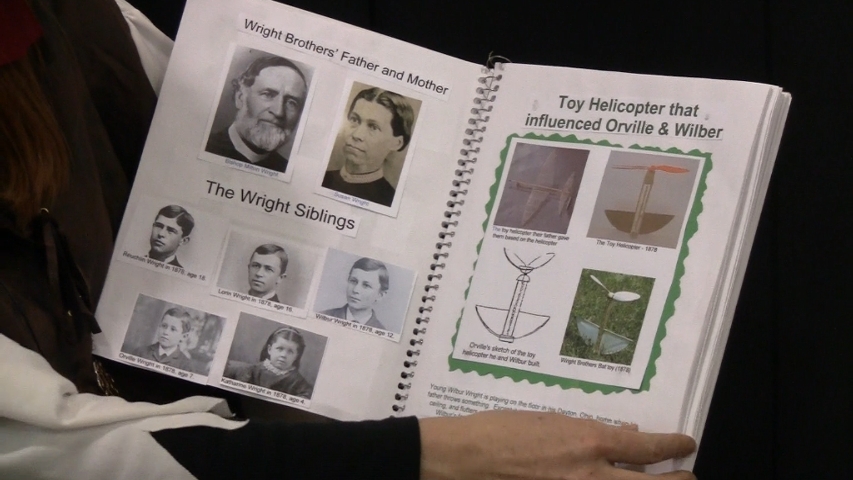
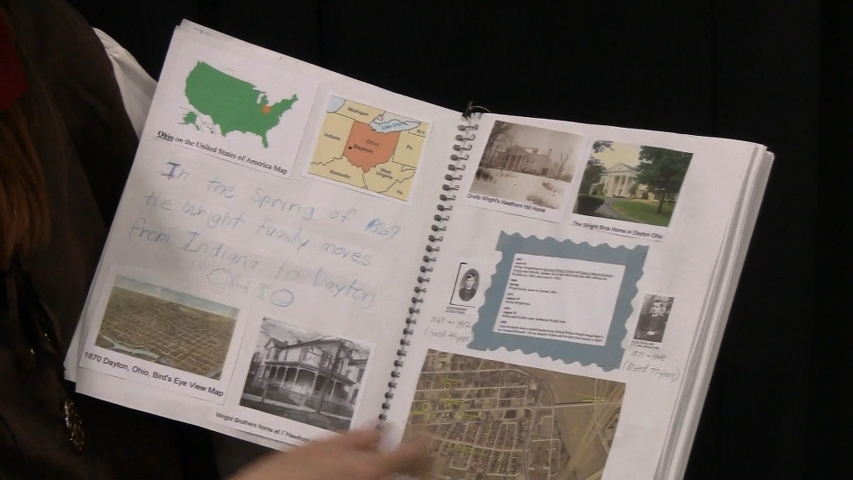
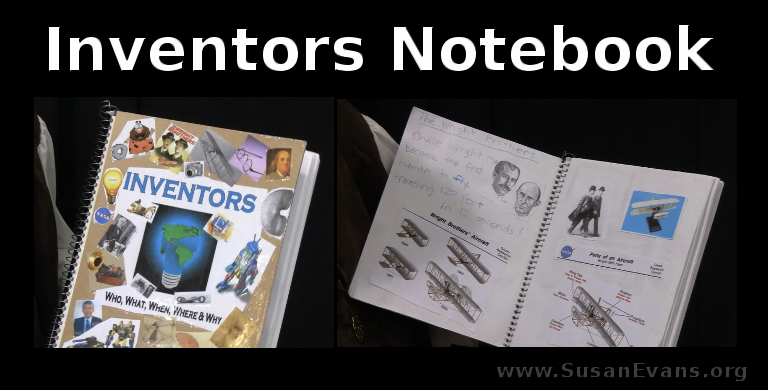
This Inventors Notebook has a decorated cover with cut-out pictures that were glued to the front. Then the front was covered with packing tape to make the notebook durable. The title is prominent in bold letters, and the description was “Who, What, When, Where, and Why.” A table of contents is written on the inside cover.

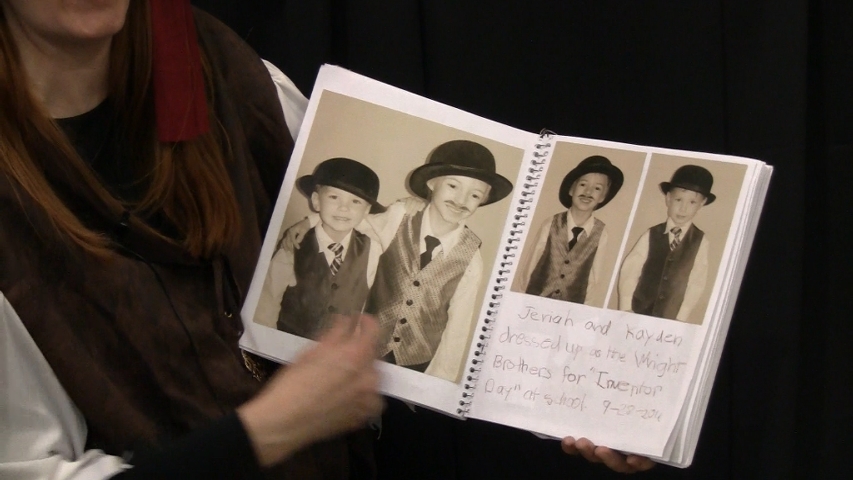
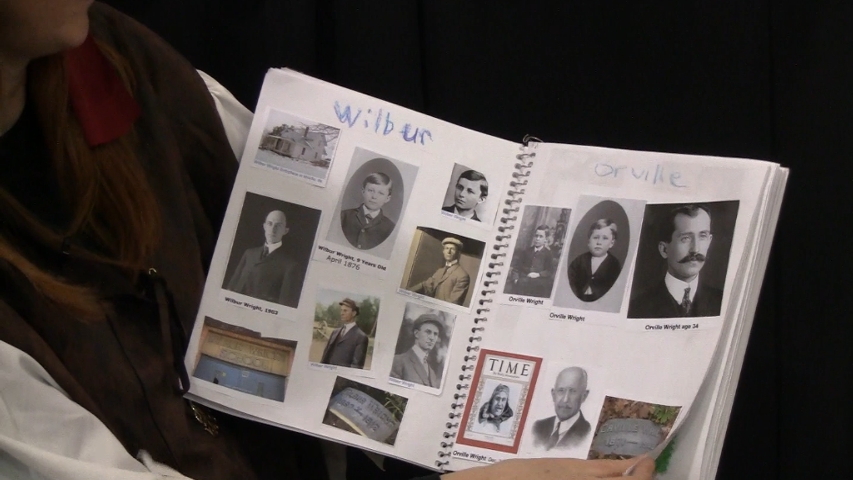
This notebook has lots of pictures, writing, timelines, science, history, costumes, and hands-on activities. This was a first-grade homeschooled boy who put together this notebook. He dressed up in a bowler hat to represent life back in the 1900’s, when most inventors were inventing their hearts out. You can make some of these inventions yourself for a hands-on activity.

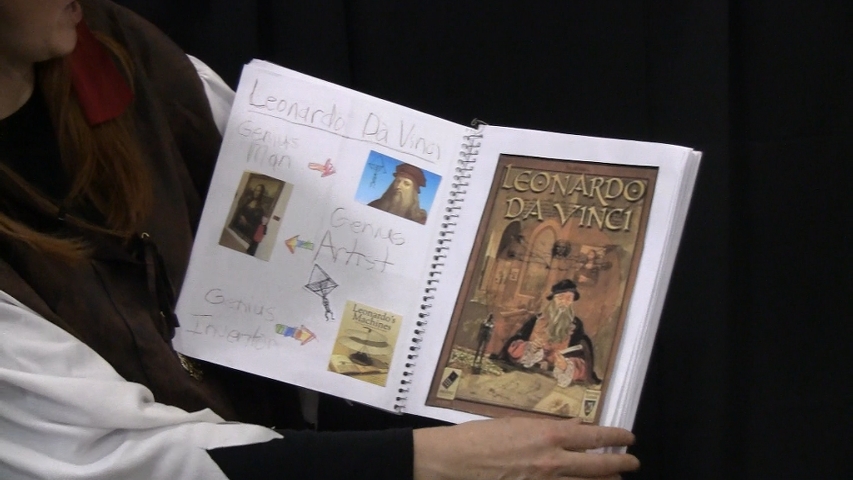
This family went to an art exhibit in our city. They saw life-sized Leonardo da Vinci contraptions everywhere that the kids could play with. Most of the inventions were put together with wood and canvas. The display was great! My own children enjoyed playing with the contraptions when we visited the museum.

Inventors Notebook (watch the video)

This Inventors Notebook is a great example of a project book which displayed all the ideas about inventions that this boy was learning about in his homeschooling unit study on inventors. The homeschool mom was inspired to do this Inventors Notebook with her son after taking my Journaling class at the homeschool conference last year.

Examples of Inventors Pages

wright-brothers-notebook

notebooking

inventor-notebook

wright-brothers-dressed-up

Leonardo-da-vinci-notebook

Swim Lessons

Tuesday, July 10th, 2012

swim-lessons

One of the most crucial skills for a child to learn is how to swim. If a boat overturns or some other accident occurs around water, you want your children to at least be able to get to the surface of the water and tread water so that they can stay alive. I don’t know how many times I’ve had nightmares about my children drowning, especially after my daughter nearly died at age one. I had to empty a large amount of water out of her lungs before she could breathe again.

For this reason I feel that it is important for children to learn how to swim. Swim lessons can be expensive, and if you have young kids ages 2-7, I have some simple activities they can do in the bathtub to be ready for more advanced swim lessons. Once they have done those activities, they can learn to move both legs and arms to stay afloat in a doggie paddle. When they can tread water for a couple of seconds, keep increasing the time as they stay in one place. If they can tread water in place for 60 seconds, they are ready to tread water all the way across the swimming pool. I always provided some form of reward for my child to swim across the pool for the first time, treading water. Children feel proud of their accomplishment when they are able to go the entire length of the pool.

swim-lessons

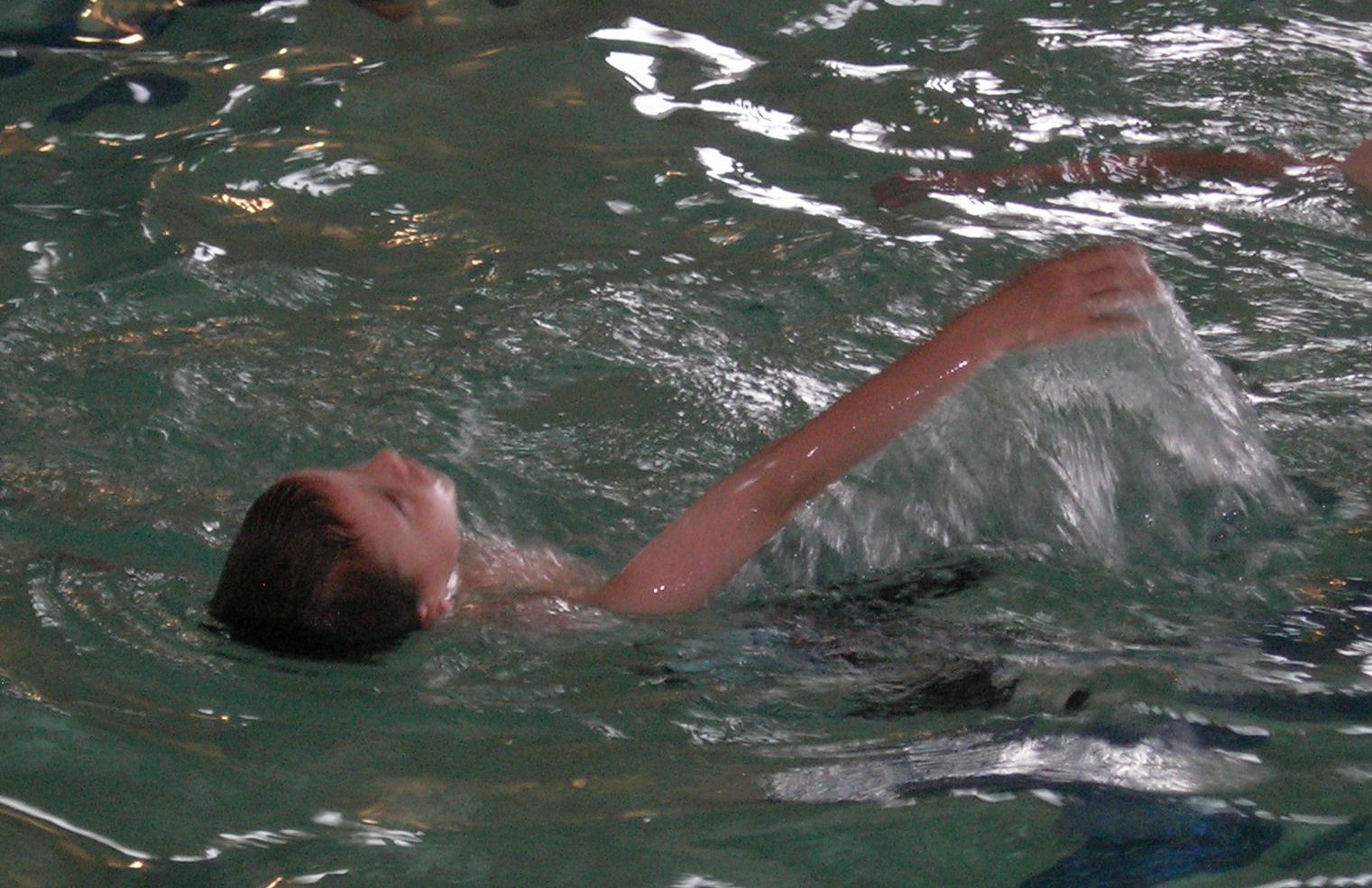
After they are able to tread water, they are ready for proper swimming. The child can hold on to the side of the pool and kick his feet while not bending his legs. While swimming properly, the child’s feet should never go out of the water, so splashing isn’t supposed to happen. The child can use a floating board to hold on to while going across the pool, focusing only on feet being straight while kicking under the water. Next, the child adds dunking the face in, and breathing to the side while holding the paddle board. The reason you need the paddle board is that the child can’t focus on three things at the same time: the feet, the breathing, and the arms. The child needs to perfect each skill until it comes naturally, so that the child can focus on the next skill.

It helps to have the swim instructor swim right in front of the child while the child watches. The shoulders are supposed to come out of the water, and each stroke should reach as far to the front as possible. After that, the elbow is supposed to bend up, then back. One of my sons kept curving when he swam because his right arm was stronger than his left arm. He needed to try to stroke evenly with each arm to swim straight. Also, keeping the head dipped continuously is hard for some children, but this can be overcome while doing exercises in the bath tub, where the child feels safe.

For more information on easy swim lessons for the bath tub: Bath Time Fun: 49 Ideas for Homeschoolers.

The Reformation

Thursday, June 28th, 2012

the-reformation

Part of teaching Renaissance history is learning about the Reformation. My husband and I listened to some Reformation sermons years ago before the kids were born, and we bought a set of six tapes. Yes, the church sold cassettes 15 years ago, even though no one uses them today. When we arrived at this point in history in our homeschooling, I whipped out the cassettes for my children to listen to. Only one of them got swallowed up in the cassette player and had to be thrown in the trash. It must have been the hundreds of sermons my children listened to back when we were at a family-integrated church, but my kids actually learned by listening to the Reformation sermons. They commented and wanted to discuss different issues, and they enjoyed the Gregorian chants.

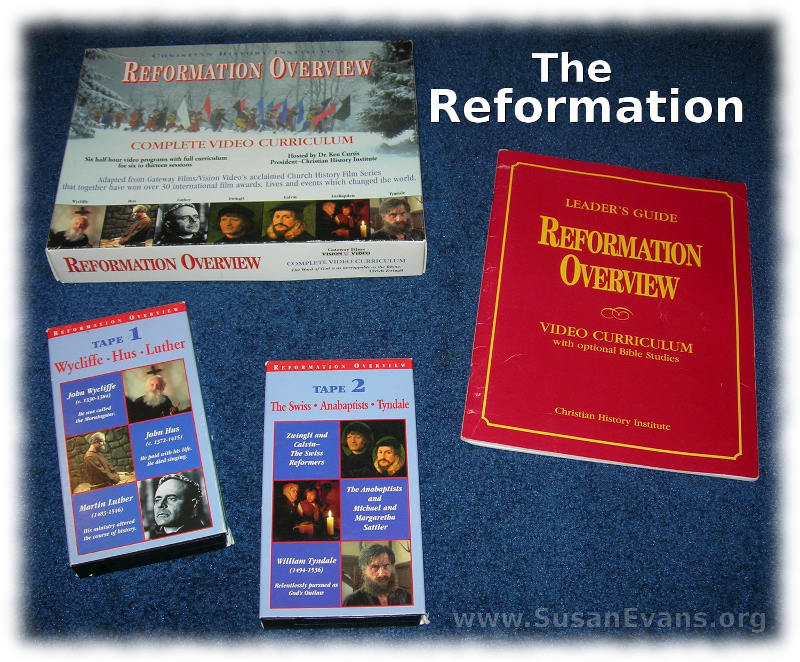
For some reason, I didn’t feel like we had adequately covered the Reformation, so I was still looking for more materials about this event in history. While at a used curriculum sale, I found a boxed video curriculum of six half-hour programs on different major characters from the Reformation. This “Reformation Overview” came with a booklet with teacher’s notes and discussion questions. I forced myself to read all the teacher stuff so that I could accurately discuss the videos with my kids, but I did not use the discussion questions. We enjoyed the video, and I often paused the video to explain something like “indulgences.”

Before I put the first video in, my 8-year-old son asked, “Is this going to be boring?” I said, “I have no idea if it’s boring or not, but I want you to pay attention to it anyway.” Thankfully, the videos were actually interesting and moved at a good pace. They did not drag on or feel musty or like you had to force yourself to watch it. No, they were good. I never learned so much about the Reformation until I went through this program with my kids. The series includes John Wycliffe, John Huss, Martin Luther, John Calvin, the Anabaptists, and William Tyndale. It was actually enjoyable.

Since I only paid $5, I have no idea where normal people would buy it, so you can do your own search for “Reformation Overview.” I don’t care if you buy it or not, but I know someone will ask me who produces it. It’s Christian History Institute. Now that I think about it, this would be a good purchase for a larger homeschool group, who could get together for discussions. The discussion questions are really for high school students or adults, so it should be more free-form if you are teaching it to elementary kids. And you could have a Reformation Day at the end of a six-week study where everyone dresses up like Reformation people. Only make sure to tell the kids not to be nailing things into doors without permission…